tk999 on the Move: Betting in the Gaps of a Day
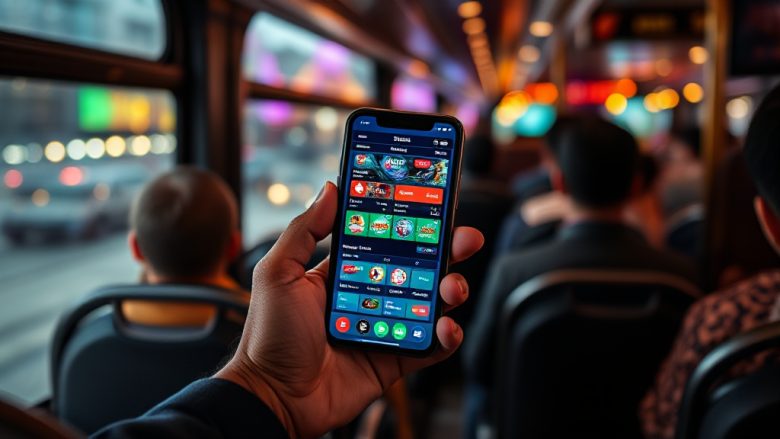
On a crowded bus in Dhaka, the phone is the only entertainment. The window shows traffic, the seat offers nothing, and the screen offers everything — messages, videos, and, for some passengers, a betting app. What does that setting do to a decision? That is the question worth asking about tk999, a platform built for Bangladeshi users who often open it in the small pockets of time between one place and another.
The search intent behind the name is usually simple: people want to know what the platform is, how to register, and whether it works on a phone. The short answer is that tk999 is an online betting and gaming platform with a mobile app, and the longer answer is about context — where and when people actually use it.
The Bus Seat and the Ten-Minute Window
A bus journey is not one block of time; it is a series of small waits. The stop before yours, the bridge, the signal that never turns green. In those gaps, a phone becomes a private room. The noise around you does not disappear, but attention narrows to a screen.
That narrowing matters. A ten-minute window feels like enough time to check a market, place a small wager, and put the phone away. But it also compresses judgment. Short sessions encourage quick decisions rather than careful ones, and a moving bus is not a place to review terms or compare options.
The app itself is not the variable here. The same interface on a sofa at home feels different from the same interface wedged between a backpack and a window. The setting changes the pace, and the pace changes the choice.
The Queue, the Break, and the Borrowed Minute
Queues are the most honest test of a habit. A bank line, a hospital waiting area, a recharge counter — each offers five or ten minutes that belong to nobody. People fill them with scrolling, and betting apps are part of that scroll.
Why queues feel like betting time
A queue is bounded. You know it will end, so the session has a natural stop. That makes it feel safer than an open evening with no edges. The risk is that the boundary is imaginary: the queue ends, but the account stays open in the pocket.
The break at work
Lunch breaks are similar. A worker with thirty minutes and a phone can register, deposit, and place a bet without leaving the chair. Registration on tk999 is designed to be quick, which is convenient in a break and also means the decision to start can happen before the food arrives.
The borrowed minute is the one most likely to be regretted, because it is taken from something else — rest, conversation, or the walk back to the desk.
Trips, Trains, and the Long Stretch
A longer journey is a different scene. On an overnight bus or a train to Chattogram, the phone is not a gap-filler but a companion. Hours pass, and the app becomes one tab among many.
This is where the mobile format shows its real character. A downloadable app means the platform travels with the user, and the experience is shaped more by the trip than by the software. At home, a bet is a deliberate act. On a moving train, it becomes part of a stream of small entertainments, closer to a game than a decision.
There is also a practical side. Connectivity drops in tunnels and between towns, so a session that depends on a stable signal can stall. Users who understand this tend to treat travel time as a time to browse rather than to act.
What the Setting Teaches About the Habit
Look across these scenes and a pattern appears. The bus, the queue, the break, and the trip are all places where attention is already divided. Betting fits into divided attention easily, which is exactly why it deserves a second look.
A few habits make the gaps less risky:
- Decide a limit before opening the app, not after.
- Treat travel time as browsing time, not acting time.
- Keep the app out of the queue routine if the queue is where small bets become frequent ones.
- Check the connection before relying on a session that matters.
The platform itself is neutral; the pocket of time is not. A person who bets on tk999 at a desk with a fixed budget is in a different situation from a person who bets while waiting for a bus with no plan at all. The difference is not the app — it is the context the app is opened in.
That is the quiet lesson of betting in the gaps of a day. The setting does more work than the features, and the best time to notice the setting is before the phone comes out, not after the session ends.