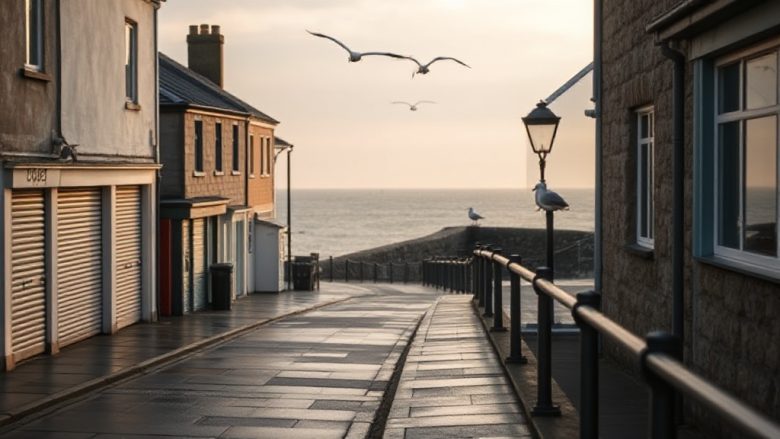
I moved to the coast six years ago, and I still get the question from friends who are thinking about doing the same. They usually ask it with a certain look in their eye, the one that says they have already pictured themselves with a coffee on a balcony, watching the tide come in. That picture is real. I have that coffee most mornings. But it is not the whole story, and the parts nobody mentions are the parts that decide whether you will love it or quietly resent it.
The pros and cons of living by the sea are not really about the sea itself. They are about weather, cost, community and the shape of your daily routine. Get those four things right and coastal life is genuinely wonderful. Get one of them wrong and the view stops compensating. So here is the honest version, theme by theme, with the good and the bad sitting next to each other where they belong.
Weather: The Air You Breathe Versus the Wind That Never Stops
The single best thing about living near the water is the air. It is softer, cleaner and noticeably easier to breathe, especially if you have come from a city where you could taste the traffic. The light is different too. Coastal light has a brightness to it that photographers chase and that makes even an ordinary Tuesday feel a bit more open. Mornings are quieter. You hear gulls instead of delivery vans, and the temperature swings less violently than it does ten miles inland.
Then winter arrives, and the wind reminds you exactly where you live. Sea air is damp air. That means condensation on the inside of windows, salt film on the outside of them, and a constant low-level battle with moisture in cupboards and wardrobes. Metal fittings rust faster than you expect. Paintwork on the seaward side of a house needs redoing more often. If you are buying, a surveyor will look hard at the roof, the gutters and the drainage, because coastal weather finds every weak point eventually.
Storms are the other thing. They are dramatic and, for the first year or two, exciting. By year five you are checking the forecast before you park the car under a tree. Insurance for coastal properties can cost more, and some postcodes near exposed stretches are harder to cover than others. That is not a reason to avoid the coast, but it is a line item you should price before you fall in love with a particular house.
Cost: What You Save and What You Pay For the Postcode
Here is a pleasant surprise for a lot of people: day-to-day life by the sea can be cheaper. There is less to spend money on. You walk more, drive less, and the entertainment is often free, which is a strange thing to say about a place people pay to visit. Parking is easier outside the summer months, local produce is often good and reasonably priced, and the pressure to keep up with anyone is lower than it is in a big city.
The flip side is property. Sea views carry a premium, and it is a big one. You will pay noticeably more for the same house with water in sight than you would for an identical one three streets back, and that premium does not always hold its value if the view is ever built out. Holiday lets push prices up further in popular spots, and they also hollow out the streets in winter, which we will come to.
There are running costs too. Salt eats through everything. Cars, bikes, garden furniture, gate hinges, outdoor lighting. You will replace things more often. Heating bills can be higher because of the wind and the damp, even when the winters are mild. And if you need specialist trades, from damp proofing to marine-grade repairs, you will pay coastal prices for coastal skills. None of this is ruinous, but it adds up, and it is the sort of thing that only shows up after you have moved in.
Community: Tight-Knit in Winter, Unrecognisable in Summer
The community is the part I underestimated, in a good way. Coastal towns are often small enough that people know each other. There is a real willingness to help, a strong culture of local clubs and volunteering, and a social life that revolves around the pub, the harbour and whatever is happening on the beach that weekend. If you make an effort, you will be welcomed. If you arrive in July and expect to be absorbed into a village that has been there for generations, you may find it slower going, and that is fair enough.
The seasonal shift is the honest con. In summer, the population can multiply. Roads clog, parking vanishes, the beach you thought was yours fills up, and the shop that was calm in February has a queue out of the door. In winter, the opposite happens. Some businesses close, some neighbours leave, and the town can feel very quiet indeed. Whether that quiet is peaceful or lonely depends entirely on you. I know people who love the winter version of this place more than the summer one, and I know people who find it hard.
Services matter here too. Rural and coastal areas often have fewer GPs, longer waits for tradespeople, patchier public transport and schools that are wonderful but small. If you have children or you are planning to, look at the schools and the transport links before you look at the sea view. It is far easier to change a house than a catchment area.
Daily Routine: A Slower Pace With a Few Extra Frictions
The routine is the quiet benefit. You sleep better. You walk more without deciding to. A bad day can be fixed by ten minutes on the promenade, which sounds sentimental until you have done it. Commutes are shorter if you work locally, and remote work has made the coast genuinely viable for far more people than it used to be. There is a rhythm to the tides and the seasons that slows you down, and most people find they like who they become in that rhythm.
The friction is in the practicalities. If you commute to a city, the journey is long and the trains are not always reliable, especially in bad weather. Broadband and mobile signal can be patchy in older coastal properties, so check the connection before you commit if you work from home. Deliveries take longer. Some shops you took for granted are a drive away. And the sea itself is not always safe. Tides, currents and cold water are real hazards, and living near them means learning to respect them rather than just admire them.
There is a smaller, stranger con that nobody warns you about: the sea is never boring, but it can be relentless. The sound, the light, the weather, the salt, the constant presence of it. Some people find that grounding. A few find it exhausting and need to get inland occasionally to reset. Both reactions are normal.
Who Coastal Life Suits, and Who It Quietly Wears Down
It suits people who value space, air and a slower tempo over convenience and choice. It suits remote workers, retirees, walkers, swimmers, dog owners and anyone who would rather have one good restaurant nearby than fifty average ones. It suits people who are happy to make their own entertainment and who do not mind driving for the things they cannot get locally.
It does not suit people who need a big-city social life, fast deliveries, constant variety and a short commute. It does not suit anyone who hates wind, damp or the smell of seaweed, because those things are not occasional, they are the texture of the place. And it does not suit people who are buying the view alone, without checking the survey, the insurance, the broadband, the schools and the winter population. The view is lovely. It is also the only thing you cannot fix later.
Frequently Asked Questions
Is it more expensive to live by the sea?
It depends on which costs you mean. Property with a sea view usually carries a premium, and insurance, heating and maintenance can be higher because of wind, damp and salt. Day-to-day living is often cheaper, with less to spend on entertainment and transport. The honest answer is that the big costs go up and the small ones go down.
Is coastal living bad for your health?
Most people find the opposite. Cleaner air, more walking and a calmer pace tend to help. The genuine downsides are damp in the home, which can affect breathing if it is not managed, and the isolation that comes with a quiet winter if you are not the sort of person who enjoys it. Keep the house ventilated and heated properly and you avoid most of the trouble.
What do people regret most after moving to the coast?
Usually one of three things: underestimating the winter quiet, underestimating the summer crowds, or buying a house without checking the survey, insurance and broadband. Almost nobody regrets the sea itself. The regrets tend to be practical rather than romantic.
Is it better to rent before buying near the coast?
If you can, yes. Rent for a full year, including one winter, before you commit. A summer visit tells you nothing about January. Twelve months will show you the wind, the damp, the seasonal population shift and whether the daily routine actually suits you. It is the cheapest mistake you will ever avoid.