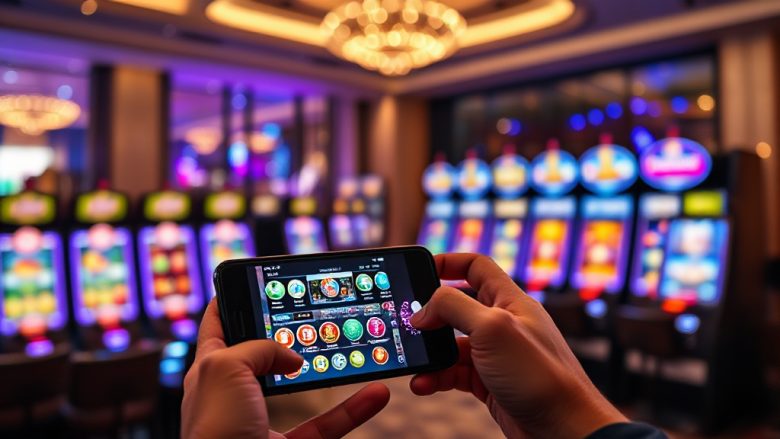
The Slow Demo: A Quieter Way to Try Slot Games
It is late evening. The phone is resting on a cushion rather than held tight in my hand. The room is dim, the sound is turned down to almost nothing, and one demo game is open on the screen. There is no timer, no rush, and no pressure to chase anything. I used to treat demo sessions like a race, tapping through spins as fast as possible. Somewhere along the way I realised that rushing made the whole experience feel hollow, so I changed how I approach it. If you have ever searched for ทดลองเล่นสล็อต เว็บสล็อตแตกง่าย and ended up overwhelmed by choice, this slower method might suit you too.
This is not a strategy for winning anything. It is simply a way of using trial play as a calm, low-stimulation activity in the evening, the same way some people do a crossword or listen to an album. Below I explain the small decisions that make a slow demo session work for me: the light, the sound, the pace, how long I stay, and how I finish.
Why I Stopped Treating Demos Like a Race
The first few times I opened a slot demo, I behaved as if speed mattered. I clicked spin repeatedly, skipped animations, and moved from game to game within minutes. The result was a blur. I could not remember which game had which layout, which bonus round felt interesting, or which one simply looked nice. Everything merged into one noisy smear of colour.
When I slowed down, the games became readable. Slot demos are essentially interactive artwork with rules attached. If you never pause to look at the artwork, you are only consuming noise. Now I open a single game and stay with it. I watch the reels settle. I notice how the symbols are arranged and how often the bonus features appear. None of this costs anything, because trial play uses virtual credits, but it does require patience.
The shift was mostly about attention. A slow session is not about doing less; it is about doing one thing properly instead of five things badly. That single change made demo play feel restful rather than restless.
Setting the Room Before You Set the Reels
Environment matters more than most people admit. A bright overhead light and a loud room make it hard to settle into anything, including a demo game. I now treat the setup as part of the activity. The lamp goes on instead of the ceiling light. The phone brightness drops a notch or two. I sit somewhere comfortable rather than standing in the kitchen.
This is not mystical. It is simply removing friction. When the room is calm, I am less likely to tap impatiently. When the screen is not glaring, I can actually see the reel design. Small adjustments compound. A cushion, a dim lamp, and a quiet corner turn a scattered few minutes into a proper pause in the day.
I also silence notifications before I start. A demo session interrupted every thirty seconds by a message is not a session at all. It is just background noise with spinning symbols. Ten seconds of preparation buys a much better half hour.
Sound Low, Attention High
Slot games are designed to be audible. The chimes, the reel stops, the celebration jingles, all of it is engineered to be stimulating. In a short burst that is fine. Over a long, slow session it becomes tiring. My compromise is simple: sound on, but low. Low enough that I can hear it, quiet enough that it never dominates the room.
At that volume the audio becomes texture rather than instruction. I hear the rhythm of the reels without feeling pushed to spin faster. Some evenings I turn sound off entirely and simply watch. Both approaches work; the point is that I choose the level deliberately instead of accepting the default.
Attention is the resource here, not credits. A demo game costs nothing to run, but it does cost focus. Managing sound is one of the easiest ways to protect that focus and keep the session feeling gentle rather than demanding.
The Pace of a Single Spin
Most demo interfaces let you spin as fast as you can tap. That speed is available, not mandatory. I now let each spin finish before starting the next. If a bonus round triggers, I watch it fully instead of skipping ahead. This sounds trivial, but it changes the entire feel of a session.
Slower pacing also makes the game easier to understand. You begin to notice which symbols appear often, how the paylines behave, and whether the bonus feature is frequent or rare. That knowledge is the real value of trial play. If you are considering a slot site later, knowing how a game actually behaves is far more useful than a vague impression formed at high speed.
There is a practical benefit too. A measured pace naturally shortens how long you stay, because you are not cramming dozens of spins into a few minutes. The session ends when it ends, not when exhaustion sets in.
Choosing What to Try, Slowly
One of the reasons people bounce between games is that there are simply too many. A calmer approach is to pick two or three and give each one a proper look. I usually choose based on theme first, mechanics second. If the artwork appeals to me, I am more likely to pay attention to how it plays.
This is where a well-organised demo portal helps. Instead of hunting across scattered pages, you can browse a catalogue, open a game, and try it without committing to anything. Sites that group titles by theme or popularity make the slow approach much easier, because you spend your time playing rather than searching.
I keep a short mental list: one game I know well, one I am curious about, and one I have never seen before. That structure keeps a session varied without turning it into a scramble. Three games, properly tried, teach you more than twenty games skimmed.
How Long a Slow Session Should Last
My sessions are short by design, usually twenty to forty minutes. That is long enough to settle in and short enough that I am still enjoying it at the end. The moment I notice myself tapping without looking, I stop. That is the signal that attention has gone and habit has taken over.
Having a soft end point matters more than having a strict one. I do not set an alarm, but I do decide roughly when I will finish before I begin. Knowing the session has a shape makes it feel contained, and containment is what makes it restful.
If you are new to trial play, shorter is almost always better. Ten focused minutes with one game will tell you more than an hour of drifting. You can always come back tomorrow, and the demo will still be there.
Ending Well and Leaving the Screen Alone
The last few minutes of a session matter as much as the first. I finish a spin, close the game, and put the phone down somewhere out of reach. No scrolling afterwards, no quick check of something else. The point of a slow demo is that it is a single activity, not a doorway into more screen time.
Sometimes I note down one thing I noticed, such as a game with an unusual bonus trigger or a theme I liked. That tiny record makes the next session easier to start, because I am not beginning from zero.
Ending deliberately turns demo play into a ritual rather than a habit. It closes the loop. The session had a beginning, a middle, and an end, and nothing was left hanging.
A Brief Closing Thought
Trial play does not need to be intense to be worthwhile. Played slowly, it becomes a quiet way to explore design, mechanics, and themes without any of the noise that usually surrounds slot content. The room stays dim, the sound stays low, the pace stays unhurried, and the session ends before it overstays.
If you have been treating demos as something to get through quickly, try the opposite for one evening. One game, one cushion, one lamp. You may find, as I did, that the slower version is the one worth keeping.
คำถามที่พบบ่อย
Is trial play really free?
Yes. Demo versions of slot games run on virtual credits, so there is no cost involved. You are testing the game’s look, feel, and features rather than spending anything.
How many games should I try in one session?
Two or three is plenty for a slow session. Trying fewer games properly gives you a much clearer sense of how each one plays than skimming through a long list.
Do I need to create an account to try a demo?
Usually not. Most demo sections open directly in the browser. Some portals offer an optional login for saving favourites, but it is rarely required just to try a game.
Does a slow pace change how the game behaves?
No. Pacing does not affect outcomes in any way. It only changes how much you notice and how the session feels to you.