Casa Verde Drain Problems: A Quick Decision Guide
Answer three questions and you will know exactly what to do next. This short guide is built for residents of Casa Verde and the surrounding streets near Freguesia do Ó who need a fast, clear answer when a drain, sink, or toilet starts backing up. If you prefer to skip the reading and speak to a professional now, a local desentupidora Freguesia do Ó team can assess the problem by phone and tell you whether an emergency visit is needed.
Most drain emergencies are not random. They follow a pattern: slow drainage first, then gurgling, then a backup that will not clear. The three questions below separate a minor clog you can manage from a problem that needs equipment and a trained technician.
Question 1: Where Is the Water Backing Up?
The location of the backup is the single best clue to the size of the problem. A single slow sink is usually a local blockage in the trap or the branch pipe. Water rising in a floor drain, a shower, and a toilet at the same time points to a blocked main line — a different level of urgency entirely.
Single fixture versus multiple fixtures
If only one fixture is affected, start with the cheapest and least invasive step: remove visible debris, check the trap, and try a plunger. If two or more fixtures on the same floor drain slowly, stop plunging. You are likely pushing against a shared obstruction, and repeated plunging can force wastewater into other outlets.
If the backup appears in the lowest point of the property — a ground-floor drain, a garage drain, or an outdoor cleanout — treat it as a main-line issue. This is the point where a desentupidora Freguesia do Ó São Paulo SP technician should inspect the line rather than a homeowner improvising with chemicals.
What the smell tells you
A sharp sewage smell with no visible backup often means a dry trap, a loose connection, or a vent problem. A smell combined with slow drainage is a stronger warning: gas is escaping because the line is partially blocked. Note the location of the smell — it helps the technician find the source faster.
Question 2: Is It an Emergency Right Now?
Some drain problems can wait until morning. Others cannot, because the damage grows by the hour. Use the short list below to decide whether to call immediately or schedule a visit.
Call immediately if any of these are true
- Wastewater is rising into a living area, kitchen, or bathroom floor.
- Only one toilet in the home is usable and it is starting to back up.
- Water is coming up through a floor drain when you run any tap.
- There is a strong sewage odor indoors, especially near a drain or cleanout.
- The blockage followed heavy rain, which can indicate a surcharged street line.
In these cases, stop using water in the affected area. Every flush or running tap adds volume to a line that is already full. Turn off the supply to the affected fixtures if you can, and keep children and pets away from standing wastewater.
You can usually wait for a scheduled visit if
One sink drains slowly but never overflows, a shower drains slowly without gurgling elsewhere, or a toilet flushes weakly but does not rise. These are still worth fixing — slow drains rarely improve on their own — but they are not emergencies. Book a desentupidora em Freguesia do Ó São Paulo SP visit for the next available slot and avoid chemical drain cleaners in the meantime.
Why chemical cleaners are a poor first move
Caustic cleaners can damage older pipes, harm septic systems, and leave a pool of corrosive liquid sitting above a blockage. If the line is fully blocked, the chemical does not reach the clog — it just sits in the pipe. A technician arriving later then has to work around a hazardous spill.
Question 3: What Kind of Property and Pipe Do You Have?
The same symptom can need different tools depending on the building. A house with an outdoor cleanout gives a technician direct access to the main line. An apartment or commercial unit may require coordination with the building manager, because the blockage could be in a shared stack or a common line.
Houses, apartments, and commercial units
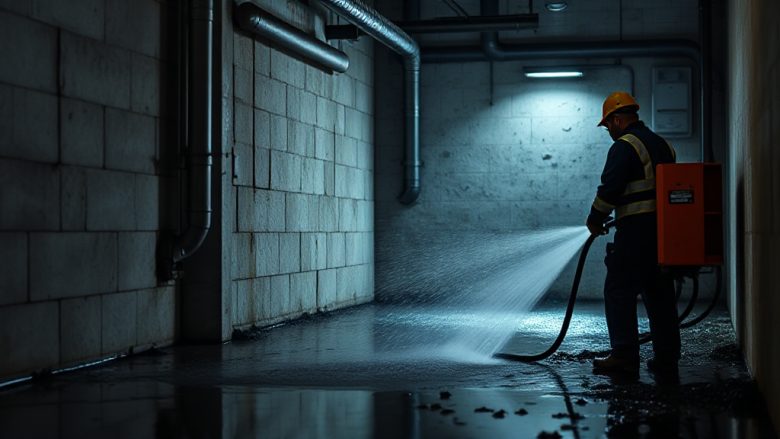
In a house, the technician can often clear the line from the cleanout without entering the home. In an apartment, the source may be above or below your unit, and the fix may be the condominium’s responsibility. In a restaurant or shop, grease and food solids are common causes, and the line may need high-pressure water jetting rather than a simple snake.
Older pipes and recurring clogs
If the same drain blocks every few months, the cause is structural: root intrusion, a sagging pipe section, or heavy scale buildup. Clearing it again only resets the clock. Ask the technician to inspect the line and explain what is causing the repeat blockage, so you can decide between repair and ongoing maintenance.
| Situation | Best next step |
|---|---|
| One slow sink, no overflow | Try a plunger, then schedule a visit |
| Multiple fixtures backing up | Stop using water and call a technician |
| Wastewater entering a room | Call for emergency service now |
| Same drain blocks repeatedly | Request a line inspection, not just a clearing |
The pattern behind all three questions is simple: location tells you the scale, urgency tells you the timing, and property type tells you who should act. Once you have those answers, the next step is a phone call, not another round of guessing.