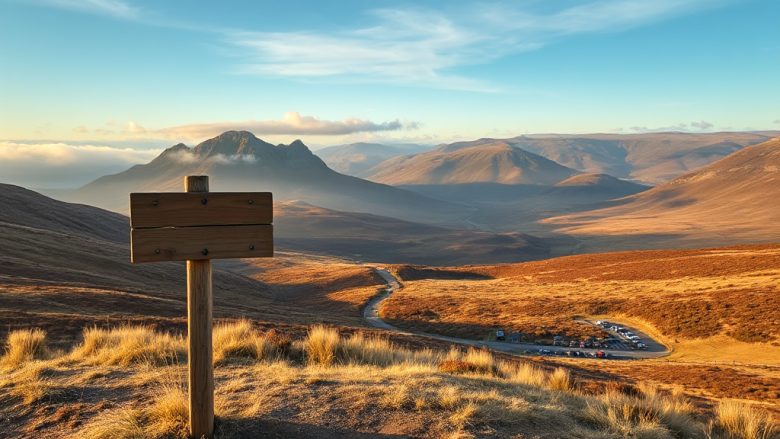
The brochure photograph shows a lone hiker on a granite ridge at sunrise, boots planted on stone, nothing but wild country in every direction. The reality on a summer Saturday is a car park that filled before nine, a queue for the shuttle, and a trail that feels more like a busy high street than a wilderness. Both images are true. That gap between the promise and the practical experience is exactly why national park visits pros and cons explained is worth doing properly rather than in a tourism leaflet.
National parks protect some of the finest landscapes in the world, and they are open to almost everyone. That combination is a genuine achievement. It also creates friction: too many cars on narrow roads, permits for the most famous trails, and rules that stop you doing things you might do on ordinary land. If you understand the trade-offs before you book, you will choose a better trip and enjoy it more.
Access and Freedom: Wide Open Entry, Narrow Bottlenecks
The great advantage of a national park is that entry is usually free or very cheap compared with theme parks, museums or guided tours. You can walk in, drive in, or arrive by bus, and the land belongs to everyone. For families on a budget, that matters enormously. A week of day hikes in a park can cost less than a single afternoon at a commercial attraction.
The drawback is that free access concentrates people at the same points. The main road, the famous viewpoint, the short waterfall walk, the car park nearest the café. You will rarely find solitude within a few hundred metres of a tarmac road in July or August. The further you walk from the trailhead, the emptier it gets, but that requires time, fitness and the right footwear.
There is also the transport problem. Many parks were designed for a trickle of cars in the 1950s, not for the volume of traffic they now receive. Expect one-way systems, roadside parking bans, and shuttle buses that are the only sensible option at peak times. Arriving early is not a cliché, it is the single most effective tactic for a good visit.
Crowds and Solitude: The Same Trail, Two Different Days
Here is the honest truth about crowds. A national park on a Tuesday in late September can feel like a private estate. The same park on a Saturday in August can feel like a festival with better scenery. The landscape does not change, but the experience changes completely.
If you want solitude, you have to work for it. That means walking further than most people, going in shoulder season, or choosing a park that is less famous than its neighbours. It also means being realistic about your own limits. A ten-mile round trip with a thousand metres of climbing is not a casual stroll, and turning back is always an option.
The benefit of crowds is that they bring facilities. Busy parks have visitor centres, ranger talks, well-maintained paths and toilets. Quieter parks often have none of that. You trade convenience for space, and space for convenience. Neither is wrong, but you have to pick.
Cost: Cheap Entry, Expensive Everything Else
National park visits pros and cons explained would be incomplete without a hard look at money. Entry is the cheap part. Accommodation near a popular park is not. Lodges, campsites and holiday cottages within a short drive of the main gates charge a premium in peak season, and they fill months in advance.
Then there are the extras. Parking fees, shuttle tickets, permits for popular trails, gear you did not know you needed, and food from the only shop for twenty miles. A trip that looked like a bargain can quietly become an expensive week.
The counter-argument is that you can control most of this. Camp further out and drive in. Bring your own food. Use public transport where it exists. Choose a park without a famous name and you will often pay half as much for the same quality of walking. The parks themselves are not expensive. The ecosystem around them is.
Protection Rules: Why You Cannot Do What You Like
National parks exist to protect landscapes, wildlife and habitats, not to be playgrounds. That mission produces rules that surprise first-time visitors. Dogs on leads or banned entirely on certain trails. No drones. No wild camping without a permit. No fires in some areas, no swimming in others. Paths that must be followed even when a shortcut looks obvious.
Some people find this frustrating. It can feel like being told off for enjoying the outdoors. But the rules are the reason the place is worth visiting at all. Fragile ground recovers slowly, wildlife is disturbed easily, and a single careless fire can destroy decades of growth.
The practical upside is that well-managed parks are safer and more pleasant. Maintained paths reduce erosion and injury. Ranger advice keeps people out of trouble. Permits cap numbers on sensitive routes so they do not get loved to death. If you accept the restrictions as part of the deal, the visit improves.
Wildlife and Scenery: The Payoff That Justifies the Fuss
This is the part that cannot be overstated. National parks protect the best of what is left. Ancient woodland, moorland, coastline, mountains, wetlands. Places where you can see animals you would never see in a city, hear nothing but wind and birds, and watch light change across a valley for an hour without getting bored.
The drawback is that wildlife does not perform on demand. You might walk all day and see nothing larger than a crow. That is normal. The scenery, though, is reliable, and it is the reason people keep coming back.
There is also a physical cost. Rough ground, changeable weather, midges, long distances between facilities. A national park is not a resort. It rewards preparation and punishes complacency. Good boots, layers, water and a paper map will do more for your day than any app.
Matching the Park to the Trip You Actually Want
Before you choose a park, decide what kind of trip you are taking. A family with young children needs short, flat, well-signed trails and toilets within reach. A serious hiker wants distance, ascent and quiet. A photographer wants dawn light and patience. A couple wanting a relaxed weekend wants a good pub and a gentle walk, not a mountain epic.
Think about season too. Spring brings waterfalls and fewer people. Summer brings crowds and long days. Autumn brings colour and cooler air. Winter brings silence, short daylight and real risk if you are unprepared. The same park offers four different holidays.
And be honest about the trade-offs. If you want the famous view, you will share it. If you want solitude, you will drive further and walk further. If you want cheap, you will camp and cook. If you want comfortable, you will pay. There is no version of a national park visit that gives you all of it at once.
Making the Decision Without Regrets
The pros of national park visits are real: protected landscapes, low entry cost, wildlife, and a sense of scale that is hard to find anywhere else. The cons are equally real: crowds at the honeypots, permits and rules, expensive accommodation nearby, and the physical effort required to get away from it all.
None of that makes a national park a bad choice. It makes it a choice you should make with your eyes open. Go early, go further, go out of season if you can, and read the rules before you arrive rather than discovering them at the gate. Do that and the brochure image and the busy car park stop being opposites. They become two parts of the same honest, worthwhile trip.